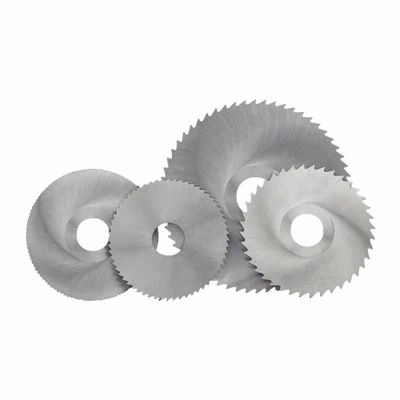
TCT Saw Blade (full name: Tungsten Carbide Tipped Saw Blade) is a cutting tool made by welding hard alloy (tungsten carbide) tips onto a steel saw blade body. Known for its high hardness, wear resistance, and long lifespan, it is widely used for cutting metals, wood, plastics, and other materials
|
Diameter(mm) |
Teeth Thickness(mm) |
Body Thickness (mm) |
Bore(mm) |
Teeth No. |
|
φ350 |
2.8 |
2.5 |
50 |
100/110/120/140T |
|
φ400 |
3.6 |
3.2 |
50 |
110/120/130/140T |
|
φ450/φ500 |
3.6 |
3.2 |
50 |
120/130/140/150/170T |
|
φ550/φ560 |
4.0 |
3.4 |
80/90/140 |
120/140/170T |
|
φ600 |
4.0 |
3.4 |
80/90/140 |
120/140/170/180T |
|
φ650/φ690 |
4.0 |
3.4 |
80 |
150/170T |
The Composition of TCT Saw Blades
Tungsten Carbide Teeth: At the core of a TCT saw blade lies its tungsten carbide teeth. These teeth are meticulously crafted to be razor-sharp, providing the blade with the ability to effortlessly cut through various materials, including wood, metal, and plastic.
Steel Body: The body of the TCT saw blade is typically constructed from high-quality steel. This steel body offers the necessary strength and stability to the blade, ensuring that it remains rigid during operation. The synergy of tungsten carbide teeth and a robust steel body makes TCT saw blades stand out in terms of both durability and precision.
Analysis of Specific Causes of Burrs in Metal Cutting Saw Blades
When using metal cutting saw blades to process certain metal profiles, burrs may occur. So, what are the reasons behind this burring phenomenon? Below, a metal cutting saw blade manufacturer will provide a detailed analysis for you!
- Machine Tool Precision – The precision of the machine tool plays a key role. High-precision machine tools produce metal work pieces with higher accuracy and fewer burrs, while lower-precision machines are more likely to generate burrs.
- Operator Error – Improper operation by workers during the cutting process is another major cause of burrs. Incorrect handling of the saw blade can lead to poor cutting results.
- Saw Blade Size and Specifications – The size and parameters of the saw blade must match the machine tool. If the selected blade model, size, or specifications are incompatible with the machine, burrs are more likely to occur.
- Work piece Material Quality – The quality of the work piece being processed also affects burr formation. Some materials are more prone to burring than others.
- Saw Blade Quality – Lastly, the quality of the saw blade itself is a contributing factor. A poorly manufactured or worn-out blade can increase the likelihood of burrs.
About HAN-LI Saws
Zhejiang Jinyun Hanli Saws Co., Ltd., established in 2000, is China's first manufacturer of HSS circular saw blades for metal cutting. Serving metal working industries in 40+ countries since 2000.
After years of accumulation and development, the company's current business scope covers: high speed steel saw blades and cutting tools, saw blade sharpening machines, special steel strips & coils, shaped special steel, , special steel sheets, Heat - treatment business, PVD / DLC coatings and other vertical fields, fully meeting market and customer needs.
It is our eternal principle to protect our partners ' interests. Our target and direction is to become a century-old company.
Certificate of Honor


Packaging


Hot Tags: tct saw blade, China tct saw blade manufacturers, suppliers, factory, Flying Saw Blade, Cold Saw Blades, TCT Saw Blade, tct circular saw blade